Can Dogs Sniff Out Agricultural Threats Before They Arrive?
AG INFORMATION NETWORK OF THE WEST
Dogs have an incredible sense of smell, and their ability to detect scents has long been utilized in various fields. Can their keen olfaction be harnessed to foresee and mitigate agricultural threats?
It is fascinating to consider that dogs might be able to sniff out potential hazards like pests, diseases, or even extreme weather events before they become critical. Their highly developed noses could act as an early warning system for farmers and agricultural professionals.
Some farmers have already embraced the power of dogs in their operations. Training dogs to detect specific odors associated with crop diseases or insect infestations is becoming a popular practice. These dogs can quickly scan large areas and alert their handlers to problematic areas, enabling prompt action and potential savings in crop losses.
While this concept is not new, recent studies and real-world applications are underscoring the effectiveness of canine scent detection. For example, research has shown that dogs can identify cancerous tumors through breath samples, demonstrating their remarkable ability to detect subtle changes in odor.
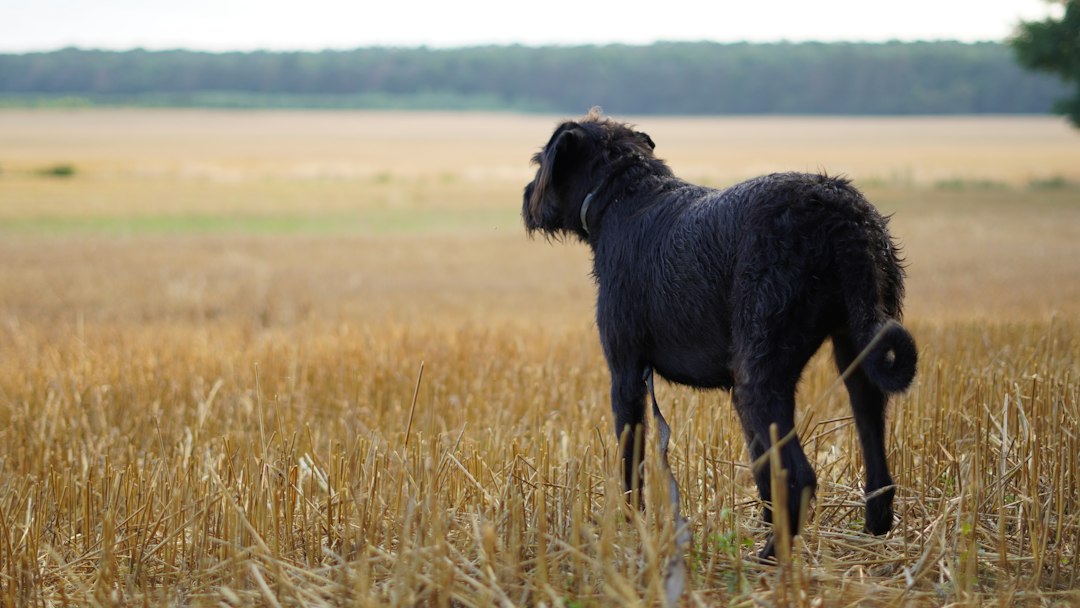
In the agricultural context, dogs could be trained to navigate through fields, detecting the faintest of odors that might indicate a brewing issue. This revolutionary approach could offer a more proactive and efficient way of managing agricultural threats, especially in large-scale farming operations.
Remember that while dogs possess an extraordinary sense of smell, they are still dependent on human guidance and intervention. Training, care, and proper utilization of their abilities are essential to ensure the success of this method.
In today's world, where sustainable and efficient farming practices are crucial, the role of canine scent detection is a fascinating and promising development.