Faith and Fear in California’s Agricultural Heartland
Luis Alfaro draws on his Pentecostal roots in his new play Speaking in Tongues, about a Central Valley town tested by immigration raids and climate change.
Evelina Fernández and Esperanza América in Speaking in Tongues. Photo: Grettel Cortes Photography.
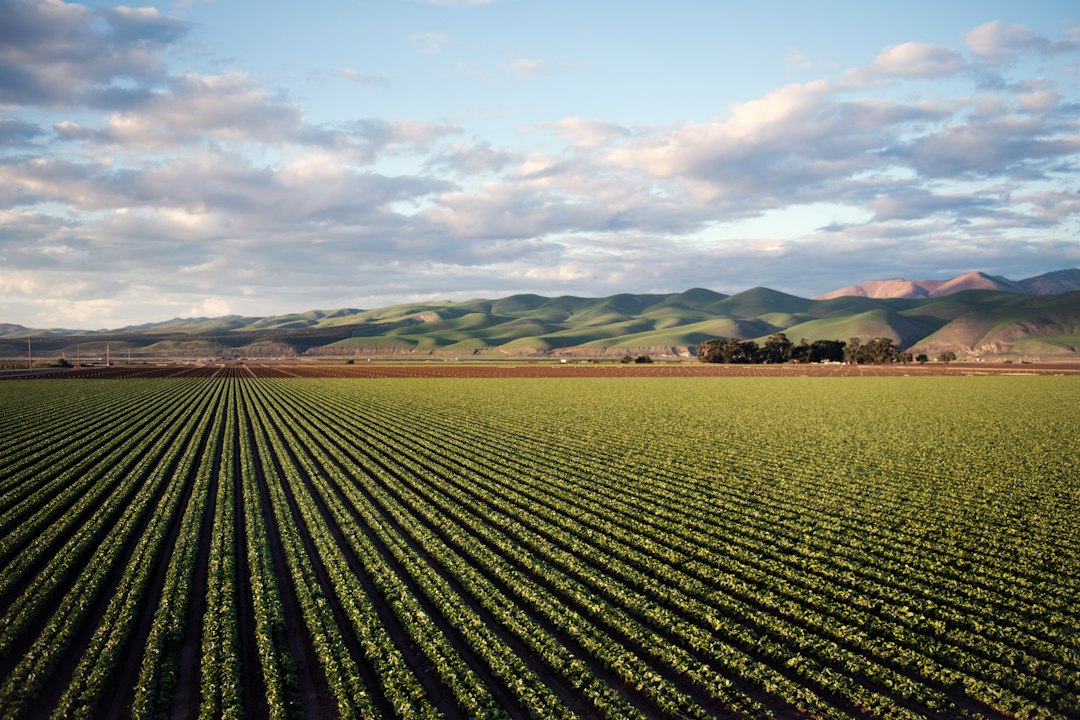
For acclaimed playwright Luis Alfaro, whose parents were farmworkers and whose family roots run deep in Delano, California’s Central Valley, the region is a place of contradictions. Its fields are extraordinarily fertile, yet the land can be punishing to the people who work it. The abundance and hardships are inseparable there, and it has been the setting for some painful family history, and a setting he’s returned to repeatedly in his work.
Alfaro’s grandfather, who had built a local Pentecostal church in Delano, was killed with two of his sons when they were struck by a train while engulfed by the region’s notorious, blinding “Tule fog.”
“There’s something so profoundly powerful and hurtful about the land,” Alfaro said, “and then there is the juxtaposition that it feeds us and nurtures us. It’s all about the growing and the picking and the hard living of it.”
The Chicano playwright, and winner of a 1997 MacArthur Fellowship “genius grant,” returns to the Central Valley in his newest play, Speaking in Tongues, which premiered October 17 with the Latino Theater Company at the Los Angeles Theatre Center. Through drama and comic banter, the play explores a crisis of faith in a town unsettled by poverty, immigration enforcement, and a changing climate.
In the play, Alfaro draws on another part of his inheritance, the Pentecostal faith that shaped his upbringing, by exploring what happens when a community begins to lose its grip on the beliefs and traditions that once sustained it. The play also features immigration raids that profoundly shake the local agricultural community, while some younger family members choose to leave for a secular life in Los Angeles.
“There’s a meditation on stage with these folks who are wondering what their future is,” Alfaro said. “Also, because the Central Valley is about to carry the brunt of climate change, it goes from drought to flooding to drought to flooding. And it really affects agriculture for the entire nation and a lot of the world too.”
The story unfolds at a church beside a cornfield in Earlimart, a small Tulare County community where a pastor has gone missing, leaving behind the gifted wife (played by Evelina Fernández) who had secretly written his sermons.
The title Speaking in Tongues has multiple layers of meaning within the story. But at its core, it refers to the charismatic religious phenomenon of spontaneous speech that Alfaro calls “elevated language that’s created by spirit, meaning it’s built in absolute faith.”
“It comes to you because you’re open enough to accept it and it moves through you,” he explained of the belief behind tongues. “Part of the journey of this play is that not everybody gets it, not everybody has it, but there’s a woman in this play who has always had this gift for the language. But in Pentecostal religion, because it’s so conservative, women are not allowed to be the preachers. So here’s somebody who possesses the ancient language and is not allowed to practice it.”
For Alfaro, the inspirations behind the play include more personal losses, including the recent deaths of his parents, and his brother’s passing from cancer. When his father was dying, he instructed his survivors to bury him in the Indigenous Nahua tradition. Part of that meant no casket, which his family objected to. But the larger desire to return to an ancestral spiritual path was honored by his family, and the funeral rites were largely performed in the Nahuatl language.
“My dad let go of his Catholicism and his Pentecostalism and all of that organized religion, and he was really like an Indio,” Alfaro said. “He really went back to his Indigenous self, and I think about that a lot.”
Geoffrey Rivas