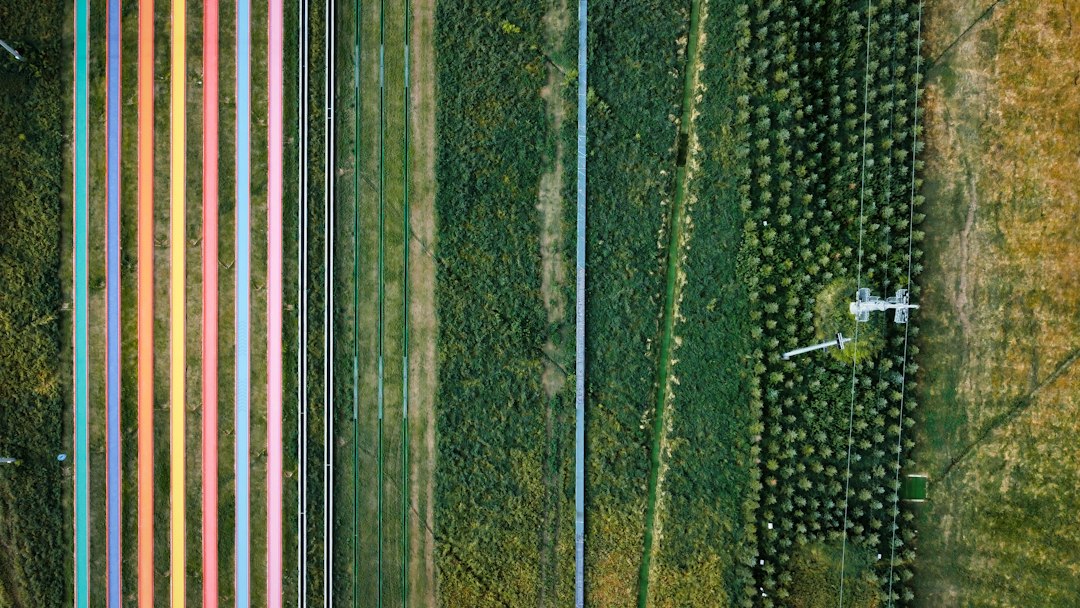
How Agentic Artificial Intelligence Is Reshaping Agricultural Research and Farming Operations
In today's digital era, artificial intelligence (AI) is not just a buzzword but a revolutionary force that is transforming various sectors, including agriculture. Agentic AI, with its ability to learn and adapt, is taking agricultural research and farming operations to new heights.
Agentic AI, often referred to as intelligent or adaptive AI, differs from traditional AI in its capacity to grow and evolve based on experiences and feedback. This makes it a game changer in the agricultural landscape. By mimicking certain aspects of human decision-making and problem-solving, agentic AI can enhance and optimise farming practices.
Applications in Agricultural Research
- Data Analysis: AI algorithms can process vast amounts of data collected from fields, sensors, and satellites, providing valuable insights for researchers.
- Precision Agriculture: Agentic AI can help develop tailored farming strategies for specific crops and soil conditions, increasing yield and reducing resource waste.
- Disease Prediction: By learning from historical data, AI models can predict and prevent crop diseases, fostering healthier plants.
Improvements in Farming Operations
- Automated Tasks: AI-powered robots can perform tasks like planting, harvesting, and crop monitoring, lightening the workload for farmers.
- Real-Time Monitoring: Agentic systems can offer instant feedback on crop health, soil conditions, and weather patterns, enabling farmers to make prompt decisions.
- Supply Chain Optimisation: AI can predict market demands and optimise distribution networks, ensuring a steady supply of fresh produce.
The impact of agentic AI on agriculture is profound, promising a sustainable and efficient future for farming. As we continue to explore and develop these technologies, the world of agriculture will undoubtedly undergo a metamorphosis.
Remember that, in the world of agentic AI, the possibilities are as vast and diverse as the crops themselves.