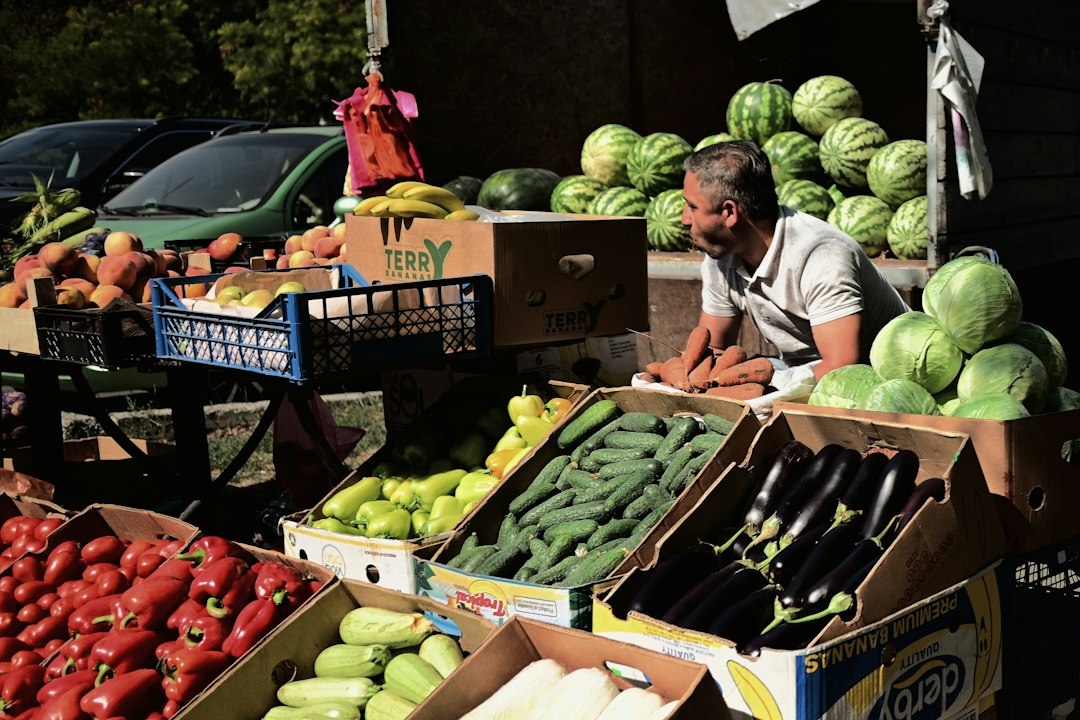
Local Food Should be for Everyone – Federal Policy Can Make That Possible
National Sustainable Agriculture Coalition
In today's digital era, the vibrant and bustling local food movement is a testament to folks' growing desire to know where their food comes from and to support sustainable agricultural practices. This movement, however, faces a labyrinthine landscape of challenges, from small-scale farmers struggling to scale up to consumers seeking access to affordable, fresh produce.
As previously mentioned, federal policy plays a crucial role in navigating these challenges and fostering a more equitable and sustainable food system. Here are a few key areas where federal policy can enhance and emphasize the local food movement:
- Access and Affordability: Policies that support food hubs, farmers' markets, and community-supported agriculture (CSA) programs can make local food more accessible and affordable for urban and rural communities alike.
- Sustainable Agriculture Research: Investing in research and education to promote sustainable farming practices can revolutionize the industry, ensuring its long-term viability and environmental impact.
- Food Safety and Inspection: Strengthening food safety nets and inspections, especially for small-scale producers, can enhance consumer confidence in local food.
- Incentives for Local Production: Offering tax incentives or grants to encourage local production and processing can foster a thriving local food economy.
In conclusion, as we dive into the world of local food, it's important to recognize the power of federal policy in creating a more sustainable and equitable food system. Ultimately, by supporting and empowering local farmers and communities, we can all enjoy the benefits of fresh, locally-sourced food while preserving the indelible legacy of sustainable agriculture.