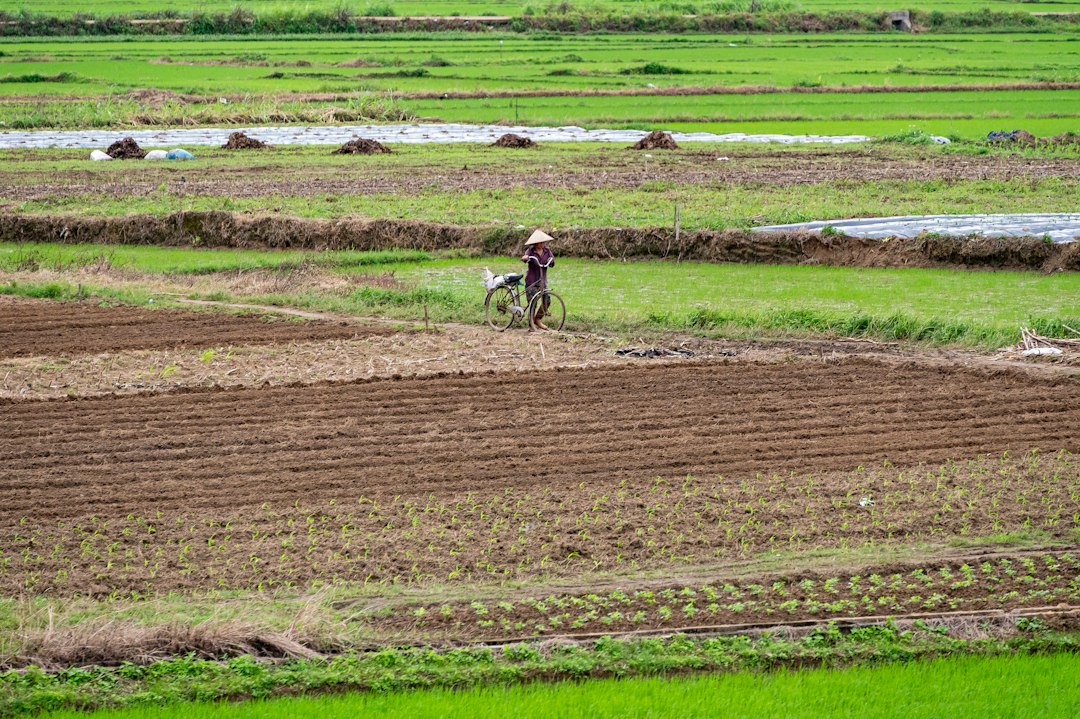
Regenerative Agriculture: Building Resilience in Southeast Asia
Regenerative agriculture can build Southeast Asia’s resilience, if communities take the lead — Eco-Business
Regenerative agriculture offers a promising path forward for enhancing the resilience of Southeast Asia's ecosystems and communities. By adopting practices that restore and enhance natural processes, local farmers can contribute to a more sustainable and resilient future.
One key aspect is the active involvement of communities. When communities take the initiative, they become integral in shaping their agricultural landscape and securing their long-term viability. This collective effort can lead to a transformative change in the region's agricultural practices.
By embracing regenerative principles, farmers can:
- Enhance soil health: Implementing cover cropping, crop rotation, and organic matter addition can improve soil fertility and structure, fostering a robust ecosystem.
- Increase biodiversity: Encouraging the natural habitat of beneficial insects, birds, and small animals promotes a balanced ecosystem, reducing the reliance on synthetic inputs.
- Improve water management: Regenerative practices, such as terracing or contour plowing, can help prevent erosion and promote water retention, ensuring a more stable water supply.
These practices not only benefit the environment but also empower local farmers by reducing their dependence on external inputs and enhancing their long-term food security.
In conclusion, regenerative agriculture has the potential to be a game-changer for Southeast Asia, offering a sustainable solution to build resilience and foster a vibrant, thriving region.