What does regenerative agriculture actually mean for coffee quality?
Estimated reading time: 8 minutes
Key Takeaways
- Buyers are increasingly assessing coffee quality through the lens of sustainable farming practices.
- Regenerative agricultural practices, such as shade and soil health management, can slow coffee cherry ripening and enhance flavor.
- Independent audits under new certifications verify regenerative coffee claims.
- Lavazza’s La Reserva de ¡Tierra! Selection, the industry’s first certified regenerative coffee for food service, exemplifies the practical application of regenerative practices and certification.
Coffee quality has traditionally been evaluated in the cup, with cup scores and flavor notes guiding roasters' purchases of green coffee and customers' preferences. However, a shift is occurring, mirroring the wine industry's evolution. Today, buyers are increasingly interested in how the land behind the coffee is managed.
"Regenerative agriculture holds particular significance for coffee because quality is so closely tied to environmental conditions," explains Michele Cannone, Global Brand Director of Away from Home at Lavazza. "Soil fertility, water availability, shade systems, biodiversity, and microclimate all impact the health of the crop and its expression in the cup."
Climate change further urgency this shift, as smallholders, who produce approximately 60% of the world’s coffee, grapple with rising temperatures, erratic rainfall, pests, and diseases. A TechnoServe study suggests that adopting regenerative practices could boost smallholder incomes by an average of 62%.
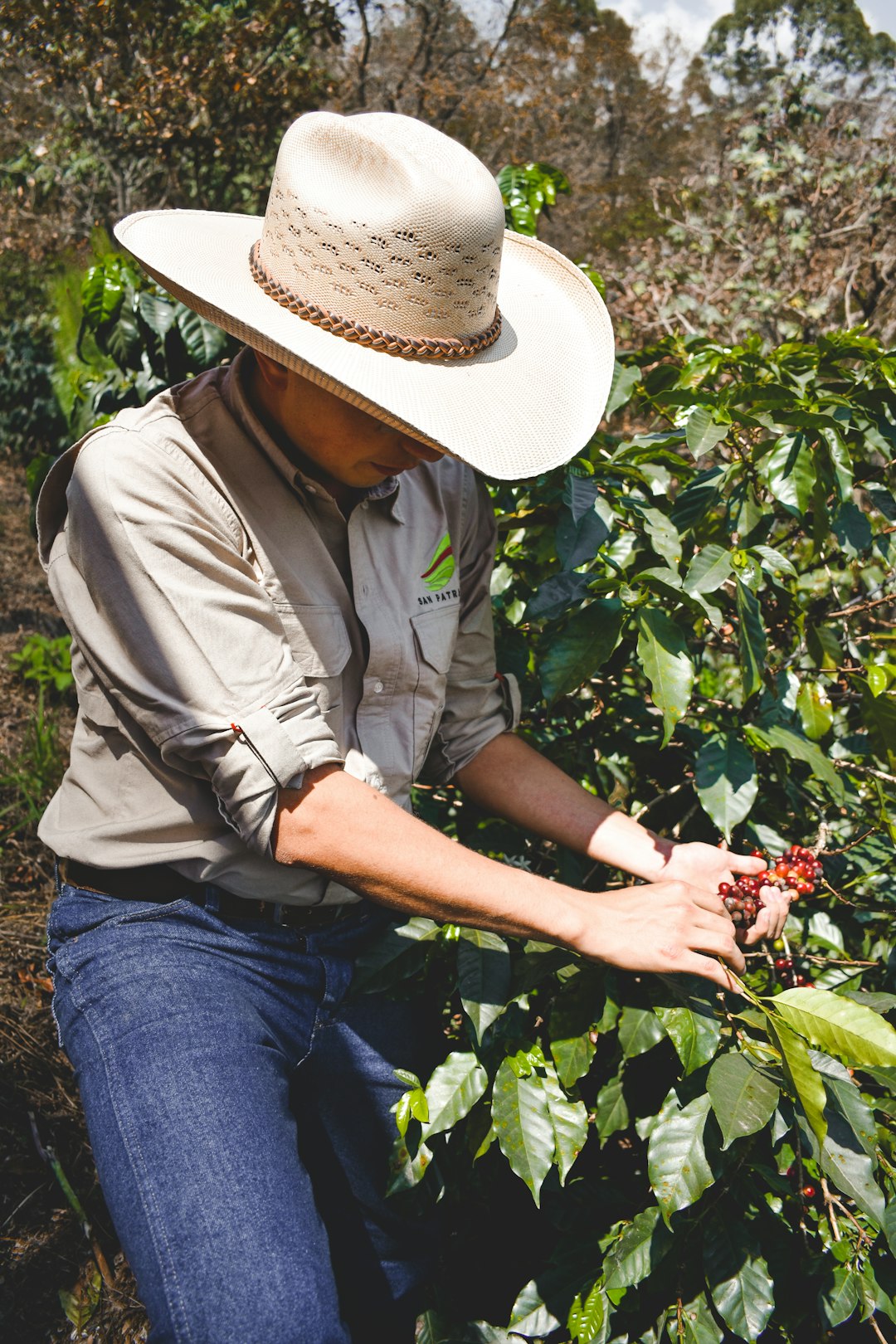
Regenerative methods influence how coffee cherries develop on the tree. For example, shade trees slow ripening, potentially leading to larger beans and a less bitter cup. Soil-enhancing practices and more stable growing conditions also help producers maintain coffee quality and harvest consistency as temperatures rise.
Why regenerative coffee needs certification
In the face of the climate crisis and declining profitability, regenerative agriculture offers a promising approach to support positive change. Initially defined by the Rodale Institute in the 1980s, regenerative agriculture encompasses practices designed to enhance producers' long-term environmental and economic resilience.
"Regenerative agriculture is not about starting from scratch," says Michele. "It’s about reconnecting with valuable agronomic knowledge, combining it with modern science, and leveraging stronger measurement tools."
The challenge lies in the lack of a universally agreed-upon definition of "regenerative." A 2020 review revealed competing definitions and no legally binding or regulatory one. Coffee certification schemes vary, with Regenerative Organic Certified banning synthetic inputs and tilling, while RegenAgri and Regenified allowing some use of both.
Legislation, such as the EU’s Empowering Consumers for the Green Transition Directive, emphasizes the need for clear, verifiable criteria to substantiate environmental claims. Certification addresses this by providing a single set of specific criteria, checked by independent auditors, for producers, roasters, and consumers. The Rainforest Alliance published its Regenerative Agriculture Standard in September 2025, building on its existing sustainable standards.