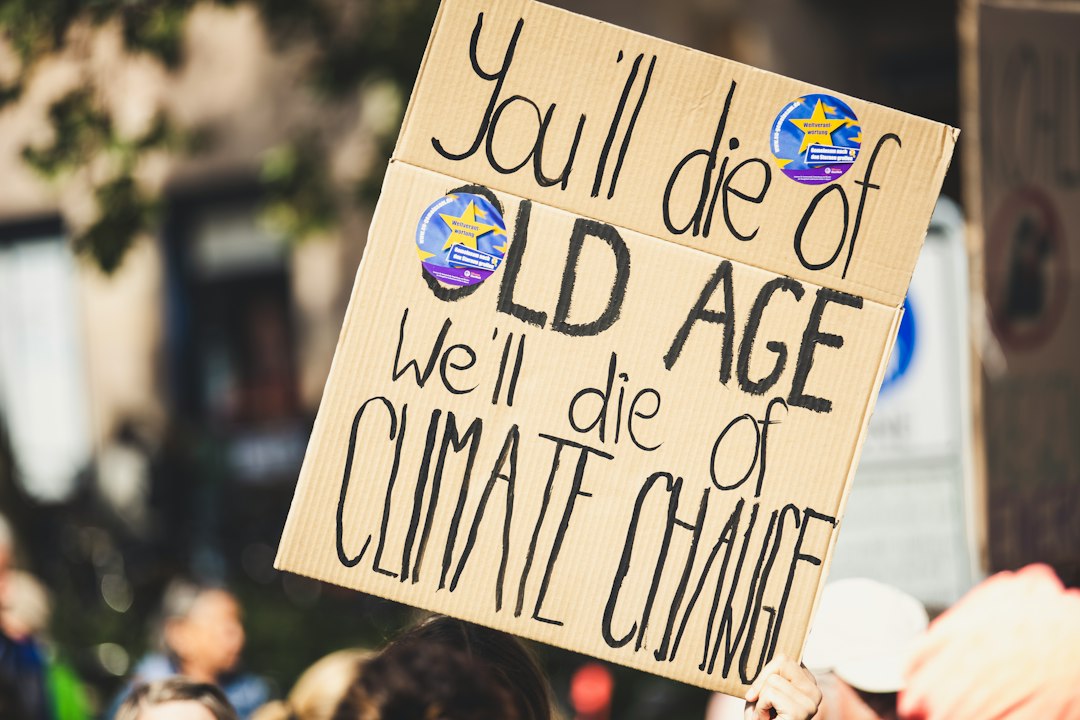
A Disappointing UN Climate Summit Concludes With Little Action on Food Systems
Inside Climate News
The recent UN Climate Summit has drawn to a close, leaving many with a sense of disappointment. Despite the urgency of addressing climate change, the summit resulted in minimal concrete actions, particularly regarding food systems.
The summit, a crucial gathering of world leaders and climate experts, was expected to deliver significant advancements in global climate action. However, the final outcome fell short of expectations. One of the key areas of concern was the lack of focus on food systems, which play a vital role in mitigating and adapting to climate change.
Food systems are a complex network of activities involving food production, processing, distribution, and consumption. They are a critical component in the fight against climate change, as they can contribute to both emissions reductions and climate resilience. Yet, during the summit, this critical sector received scant attention.
The absence of robust discussions and commitments on food systems can be attributed to various factors. One reason could be the prevailing focus on more readily quantifiable sectors like energy and transportation. Additionally, the political and economic power dynamics at play may have influenced the agenda-setting process.
While the summit lacked substantial progress on food systems, it did highlight some positive developments. There was a growing recognition of the need for sustainable food practices, with a few nations pledging to reduce food waste and promote sustainable agriculture. These commitments, though modest, represent a step in the right direction.
In conclusion, the recent UN Climate Summit, despite its significance, has left a gap in climate action regarding food systems. As the world grapples with the urgency of climate change, addressing these critical sectors must be at the forefront of future discussions and policies.