Are Biodegradable Plastics Better for Soil?
OAC Student Putting Them to the Test
U of G News
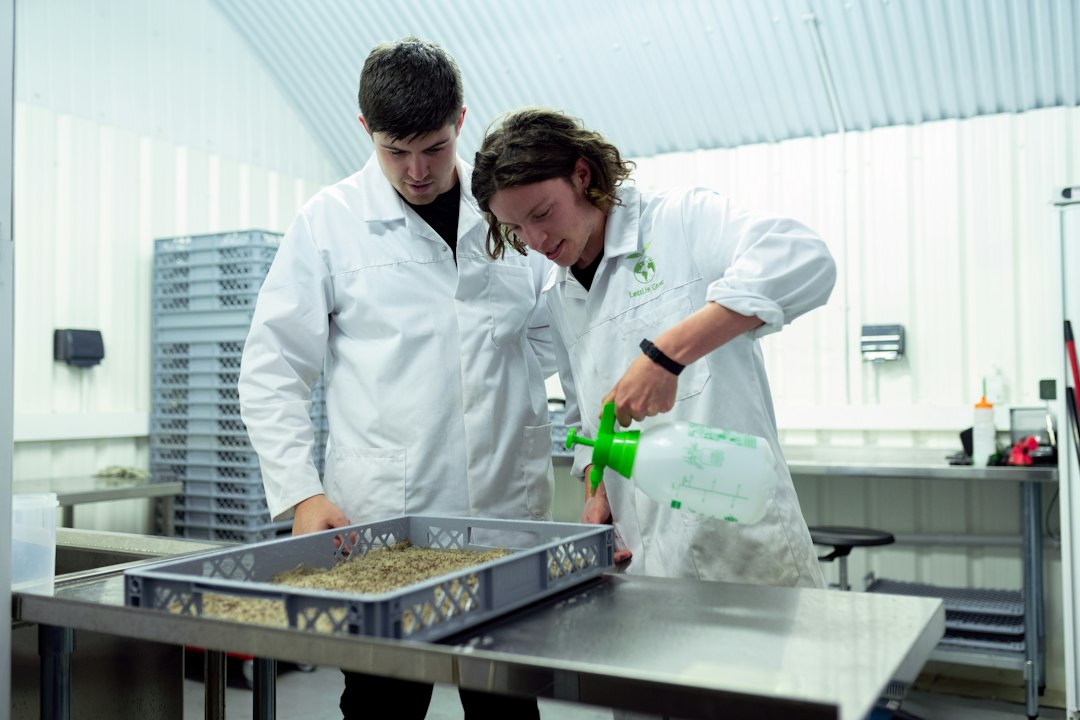
Biodegradable plastics have long been touted as a more eco-friendly alternative to conventional plastics. But do they truly benefit the soil they enter? A student researcher at the University of Guelph is diving into this question to discover if biodegradable plastics live up to their name.
"I'm looking at how these plastics break down in different soil types and environments," explains the student researcher. They are examining the impact of biodegradable plastics on soil health, a topic that has garnered increasing attention as the world shifts towards more sustainable materials.
The research involves a thorough exploration of the soil-plastic interaction, considering factors such as:
- Biodegradation rates: How quickly do these plastics decompose in various soil conditions?
- Nutrient release: Do biodegradable plastics contribute beneficial nutrients to the soil as they break down?
- Soil structure and biology: Can the breakdown of these plastics positively or negatively impact soil structure and its microbial life?
By navigating this intricate labyrinth of variables, the researcher aims to provide valuable insights into the potential of biodegradable plastics as a sustainable alternative. The findings could have implications for agriculture, environmental policy, and the plastic industry.
This study is a testament to the power of scientific inquiry, where even seemingly simple questions can lead to significant discoveries and metamorphosis in our understanding of sustainable materials.