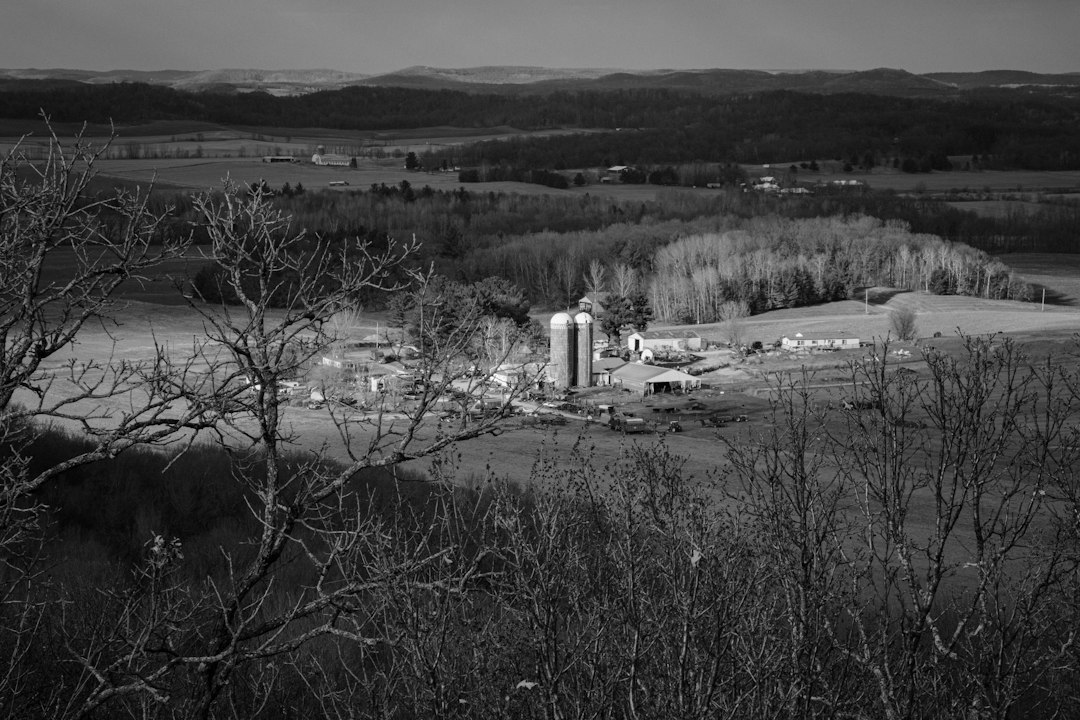
Dairy Dilemma: Regenerative farming practices grow support while number of Wisconsin dairy farmers falls
WSAW
The world of dairy farming in Wisconsin is facing a dilemma. While there's a growing support for regenerative farming practices, the number of dairy farmers in the state is on the decline. This trend underscores the challenges faced by the industry, prompting many to question the future of dairy farming in the region.
In today's digital era, folks are becoming increasingly aware of the environmental and social impacts of industrial farming. Regenerative practices, which focus on building soil health, enhancing biodiversity, and promoting animal welfare, are seen as a game changer. They offer a promising path forward, fostering a symphony of sustainable and ethical farming that resonates with consumers.
However, the labyrinth of challenges for Wisconsin dairy farmers remains complex. The gossamer threads of economic pressures, changing consumer preferences, and the whispering winds of automation create a labyrinthine path. Despite these obstacles, some farmers are embracing the metamorphosis towards regenerative practices, driven by a desire to leave a testament to future generations.
In summary, the dairy industry in Wisconsin is at a crossroads. Diving into regenerative farming could be a path to sustainability, but it requires navigating sights unseen and sounds unheard. Ultimately, the success of this transition hinges on how folks—from farmers to consumers—work together to enhance and emphasize the benefits of these practices.