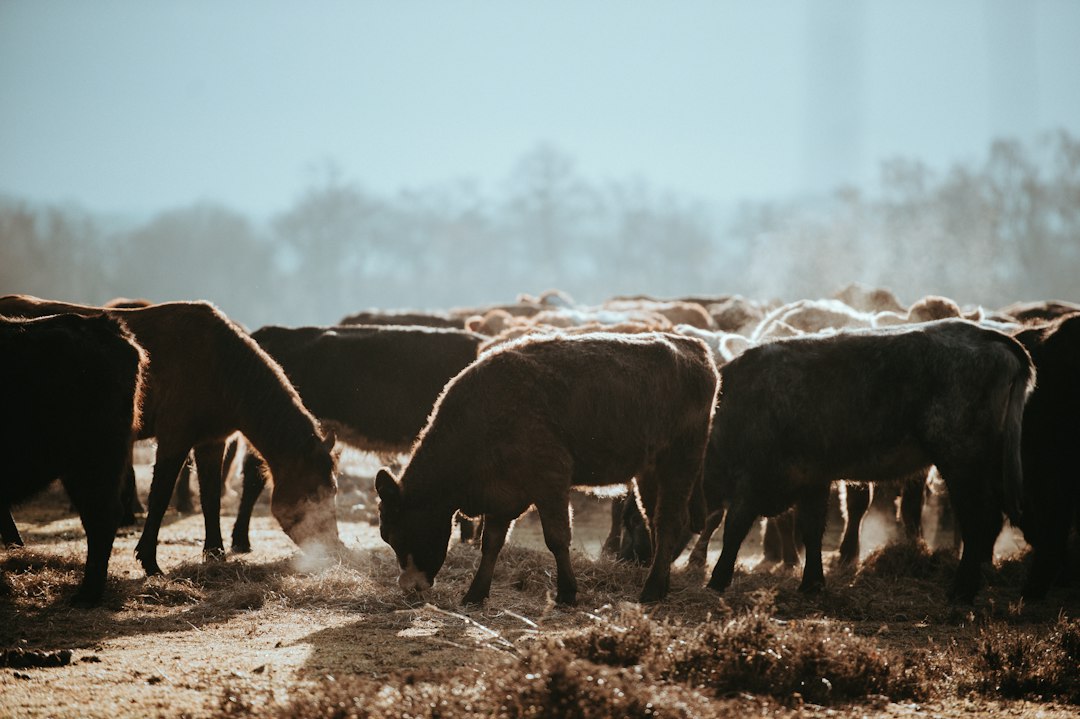
Ranchers: The Last Stand Against Industrial Animal Agriculture?
Ranchers are the last holdout against industrial animal agriculture. Is their future at risk? Monthly Review
Ranchers, representing a traditional and often family-run practice, find themselves at a crossroads in the modern agricultural landscape. They stand as a bastion against the rapid growth and dominance of industrial animal agriculture. But what does this mean for their future?
The question of their viability is not merely hypothetical; it is a pressing concern for many. On one hand, ranchers have a rich history and deep-rooted connection to the land, embracing a way of life that is often seen as more sustainable and holistic. Their practices can vary from small, local operations to larger, more established ranches, each with its unique challenges and advantages.
On the other hand, the rise of industrial animal agriculture has brought about significant changes in the market. Large-scale operations, often focused on efficiency and cost-cutting, have led to a shift in consumer preferences and market dynamics. This has put pressure on traditional ranchers to adapt or risk being left behind.
Navigating these challenges requires a multifaceted approach:
- Market Adaptation: Ranchers may need to explore new markets or diversifying their products to appeal to conscious consumers who prioritize ethical and sustainable practices.
- Regenerative Practices: Adopting regenerative farming methods can enhance soil health, improve livestock health, and contribute to a more sustainable future.
- Community Engagement: Building strong relationships with local communities can foster support and create opportunities for direct-to-consumer sales.
- Policy Advocacy: Engaging with policymakers is crucial to shaping regulations that support small-scale, sustainable agriculture.
The future of ranchers is not guaranteed, but it is far from impossible. By embracing change, adapting to market demands, and staying true to their principles, they can continue to thrive and contribute to a more diverse and resilient food system.