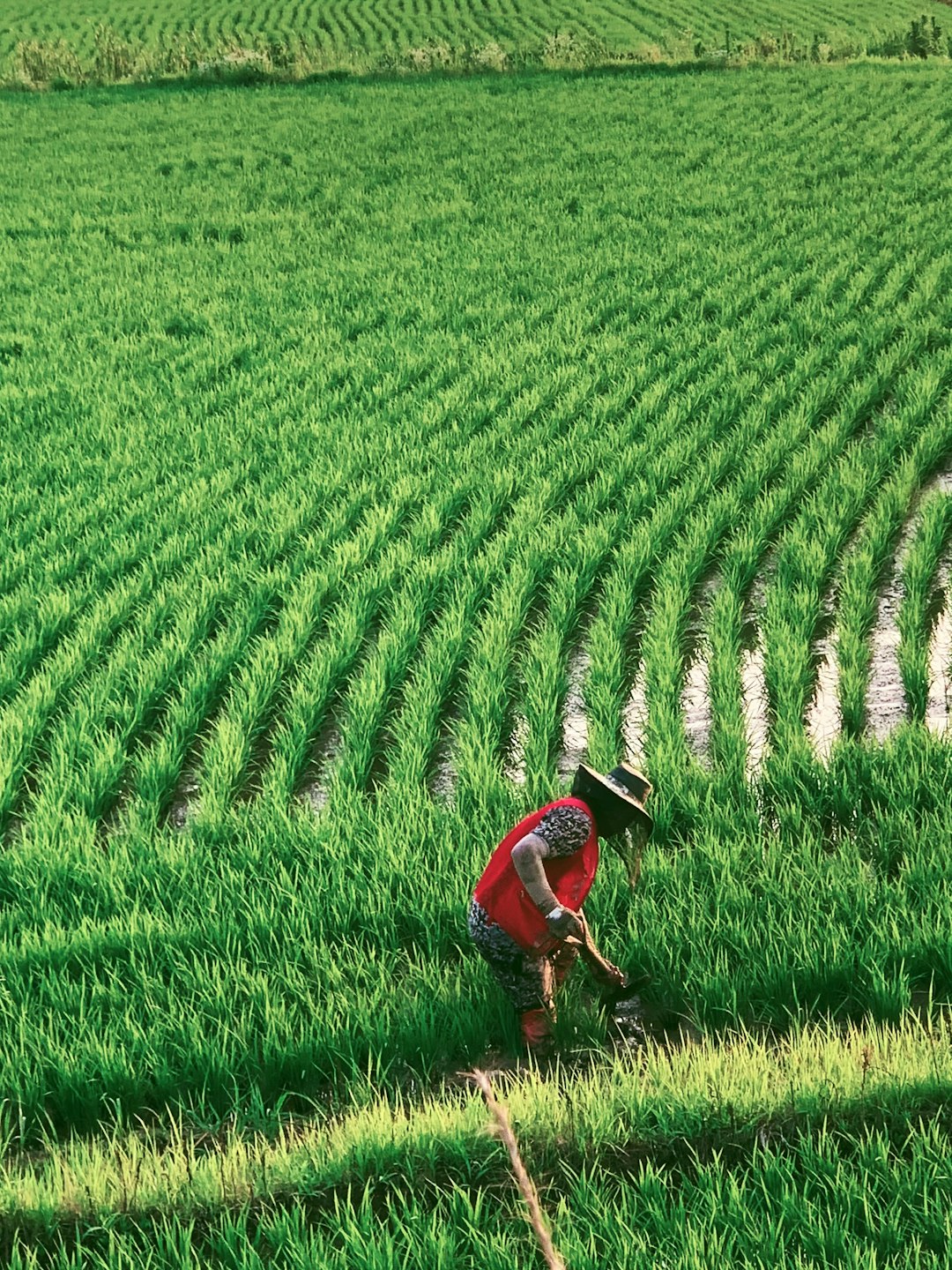
Labor Shortages in Agriculture: Overcoming the Challenge
Labor shortages can make it difficult for business owners to compete, and farmers are no exception. The U.S. Senate Committee on Aging highlights the aging farmer population in the U.S., with a median age of 58, and a significant number over 65, presenting a concern for the future. However, the current labor shortage is an immediate issue, as evidenced by a Sabanto report from January 2025, indicating 2.4 million unfilled jobs in agriculture.
Here are some strategies agricultural operations can adopt to cope with a lack of labor:
-
Automate: Automation can be a powerful tool to combat labor shortages. Modern tech enables automated sensors and programs to handle tasks like water measurement and soil analysis, freeing up farmers' limited resources for manual labor-intensive tasks.
-
Collaborate with Fellow Farmers: Pooling labor resources with neighboring farmers is another solution. This approach helps identify specialized workers and ensures they are transported to various farms as needed.
-
Reduce Field Operations: Minimizing reliance on non-automatable tasks is essential. Adopting no-tillage farming methods and seasonal farming practices that align with peak labor availability can help navigate the shortage.
-
Advocate for Legislative Solutions: Farmers can play a crucial role in policy reform by contacting local politicians. By sharing their experiences and challenges, they can influence legislation that prioritizes access to labor in the agricultural sector, benefiting both immediate and long-term needs.
The agricultural sector faces an urgent labor shortage, requiring innovative strategies and policy changes to ensure its future sustainability.