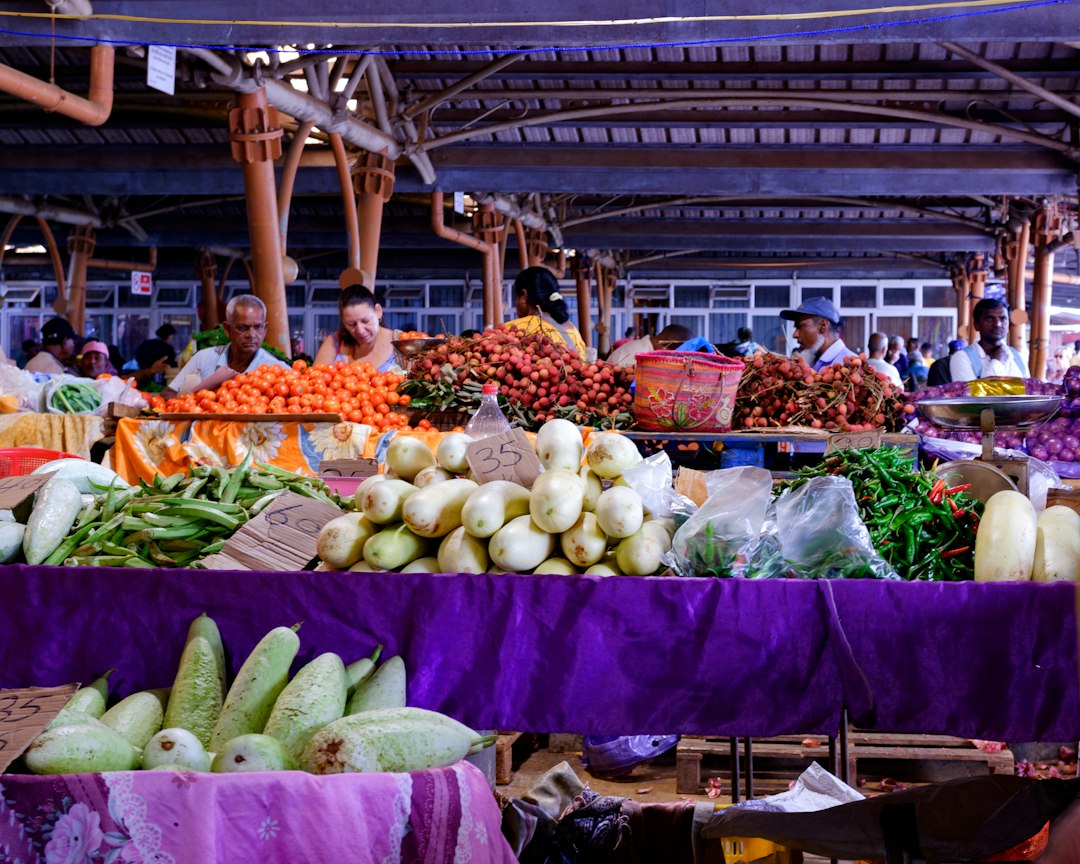
Severe Drought Strains Mauritius Agriculture, Pushing Up Food Prices
The agriculture sector in Mauritius is facing significant challenges due to the effects of El Nino-driven heat and drought this year. This has led to reduced crop yields and increased irrigation costs and food prices.
The dry spell has significantly reduced water supplies since September, with levels at the Mare aux Vacoas, the country's largest reservoir, dropping below 40 percent compared to the previous year. In a field on the outskirts of Port Louis, high temperatures have hindered vegetable growth. Dharshini Anishta, head of a local agricultural company, stated that they have experienced a 40 percent production loss and expressed concern for the future.
The impact extends to greenhouse-grown vegetables as well, with rising temperatures damaging the produce. Seesurrun Madhan, a local farmer, noted that temperatures inside greenhouses have increased by 2-3 degrees, leading to burnt peppers.
In response, the government has implemented measures to enhance agricultural production, including developing drought-resistant crops and installing water storage facilities. Arvin Boolell, the minister of Agro-Industry, Food Security, Blue Economy, and Fisheries of Mauritius, highlighted the research center's work on drought-resistant seeds and financial institutions' support, including the World Bank and IMF.
Local organizations are also advocating for practical, low-cost water storage solutions to cope with prolonged dry spells. Nundkeswarsing Bossoondyal, CEO of the United Nations Association of Mauritius, emphasized the need for creating reservoirs that are easy to manage and cost-effective.
Germany Speeds Up Energy Transition
With rising energy prices, many institutions in Germany have accelerated their energy transition efforts by reducing reliance on fossil fuels and increasing the use of photovoltaic power.
A kindergarten in Dusseldorf serves as a prominent example. Once dependent on fuel oil for heating, the kindergarten has adopted more independent solutions such as solar panels and energy storage units. They installed 60 solar panels on their building roof, along with power storage units, which can produce about 28,000 kWh of electricity annually.
Peter Soliman, principal of ISR International Kindergarten Dusseldorf, explained the benefits of the new system, including improved energy supply reliability, cost reduction, and reduced carbon emissions. They chose Chinese solar and energy storage solutions due to their competitiveness in the German market, as evidenced by their proven performance and reliable delivery.
Cao Zhicheng, technical director of a German photovoltaic installation company, noted the importance of product delivery and service offerings for German customers. He expressed confidence in the quality and performance of Chinese solar products, intending to replicate the model at a nearby new campus.